
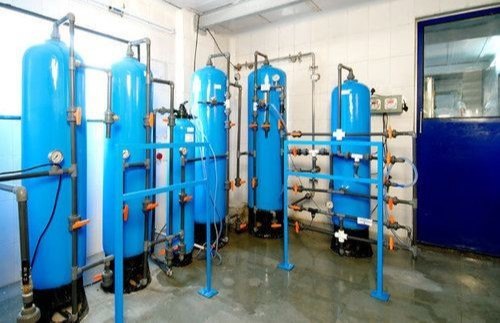
DM Water Plant
98000 INR/Unit
Product Details:
- Efficiency (%) Up to 98%
- Power Consumption 1-4 kW
- Flow Rate As per plant capacity
- Noise Level Low
- Ph Level 6.5 - 7.5
- Pump Type Centrifugal / Dosing Pump
- Water Out Conductivity <2 S/cm
- Click to View more
X
DM Water Plant Price And Quantity
- 98000 INR/Unit
- 1 Unit
DM Water Plant Product Specifications
- As per plant capacity
- Low
- 6.5 - 7.5
- Containerized / Skid Mounted
- <2 S/cm
- DM (Demineralization) Water Plant
- Centrifugal / Dosing Pump
- Up to 98%
- Automatic
- 1-4 kW
- Borewell / Municipal / Surface water
- Multi Grade / Activated Carbon
- >99%
- 220-240 V
- Electric
- Robust design, Easy installation, Low maintenance
- 100 - 5000 L
- Ion Exchange
- 500 - 2000 S/cm
- Pharmaceuticals, Laboratories, Chemical Industries, Boiler Feed
- Mild Steel/ FRP/ Stainless Steel
- 250 LPH to 10,000 LPH
- 50 Hz
- Electric Motor
- Up to 95%
- MS Powder Coated / SS304
- Micron Cartridge Filters
- UPVC / CPVC / SS
- Conductivity Indicator with Alarm
- Included (Optional)
- Onsite / Remote Support
- Multiport Valves
- Acid and Alkali dosing
- Meets IS:1069 for DM water
- Cation and Anion Exchange Resin
- 2.5 - 4.5 kg/cm²
- 1.5 - 2.5 kg/cm²
- PLC / Manual
- Pre-assembled skid mounted
Product Description
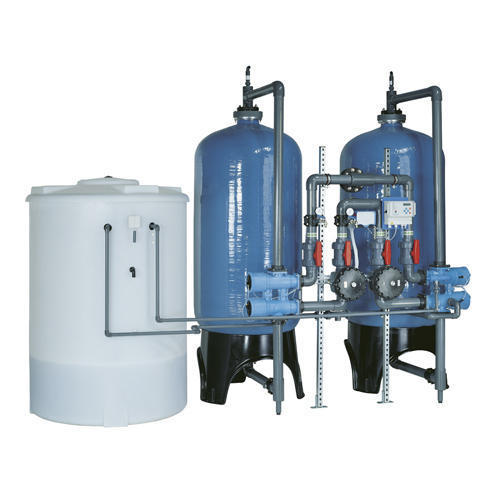
To offer our precious clients an excellent selection of DM Water Plant, we have established ourselves as a reputable entity in the international economy. This plant is typically used to remove toxins and other contaminants from water to suit several uses. It is made by experienced and skilled employees who also use current tactics. This DM Water Plant is built in such a way so that it serves indefinitely with little or no physical deterioration and functionality loss. It is highly trustworthy because it will meet the client's needs without fail.
DM Water Plant Technical Details:
- Automation Grade : Automatic, Semi-Automatic
- Water Source : Borewell Water, Municipal Sewage, Industrial Effluent, River Water
- Material of Construction : Stainless steel, FRP
- Feed Water flow : Up to 7800 kg/h
- Pump Power : Up to 11 kWh
Advanced Ion Exchange Technology
The plant utilizes efficient cation and anion exchange resins in a multi-stage process to remove dissolved ions from source water, delivering highly purified, demineralized water. This ion exchange method, complemented by micron pre-filtration, ensures consistent output quality suitable for demanding industrial environments such as laboratories and pharmaceutical units.
Robust, User-Friendly Design
Choose between durable MS powder-coated or SS304 skid frames, both supporting easy, containerized installation. The system is pre-assembled and integrates a conductivity indicator with alarm, multiport valves, and an intuitive control panel, offering both automated and manual operation for streamlined maintenance and control.
Flexible Application and Operation
This DM Water Plant is compatible with varying water sources including borewell, municipal, and surface water. It accommodates a wide capacity range, from 250 LPH to 10,000 LPH, with customizable piping (UPVC, CPVC, SS) and pre-filtration options. Onsite and remote service support ensure ongoing reliability and compliance with strict industry standards.
FAQs of DM Water Plant:
Q: How does the cation and anion exchange process work in the DM Water Plant?
A: The plant first passes water through a cation exchange resin, which removes positively charged ions (such as calcium and magnesium). Subsequently, water moves through an anion exchange resin, eliminating negative ions (like chloride and sulfate). This dual-stage process results in highly purified, demineralized water with very low conductivity.Q: What type of output water quality can be expected from this system?
A: The DM Water Plant consistently produces water with conductivity less than 2 S/cm, meeting IS:1069 standards for demineralized water. This ensures suitability for sensitive applications in pharmaceuticals, laboratories, and chemical manufacturing.Q: When should the regeneration process be performed on the resins?
A: Regeneration should be carried out when the conductivity indicator signals a decrease in water purity or after a specified operational cycle. The process involves dosing with acid and alkali to restore resin capacity, ensuring continued water quality.Q: Where can this DM Water Plant be installed?
A: The plant is designed for flexible installation, either containerized or skid-mounted, making it suitable for settings such as industrial plants, laboratories, pharmaceuticals, and facilities with limited space. Pre-assembled mounting also streamlines the installation process.Q: What benefits does the included neutralization system offer?
A: The optional neutralization system safely manages and treats the acidic and alkaline waste generated during resin regeneration, minimizing environmental impact and enhancing operator safety.Q: How is maintenance managed and what support is available?
A: Maintenance is simplified by the pre-assembled design, multiport valves, and accessible components. The manufacturer offers both onsite and remote servicing to ensure optimal plant operation and minimal downtime.Q: What are the main usage applications for this DM Water Plant?
A: This system is ideal for industries requiring high-purity water, including pharmaceuticals, chemical processing, laboratory usage, and boiler feed applications, thanks to its robust purification efficiency, low noise, and high reliability.Tell us about your requirement

Price:
Quantity
Select Unit
- 50
- 100
- 200
- 250
- 500
- 1000+
Additional detail
Mobile number
Email

Other Products in 'Water Treatment Plants' category
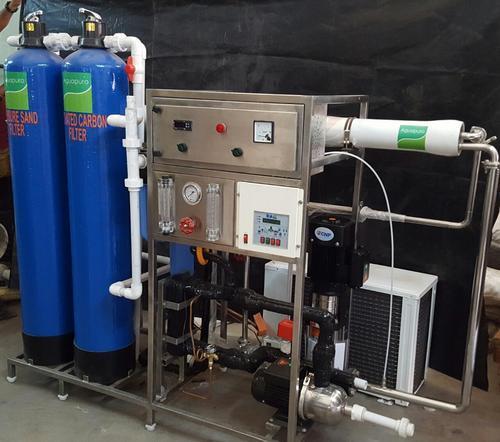
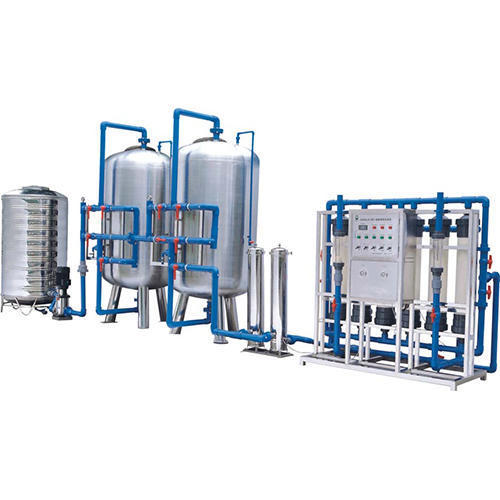
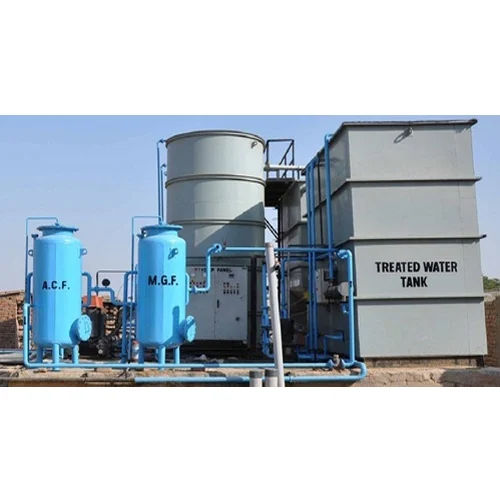

"We are mainly dealing our products in North India"
SHIVA GLOBAL ENVIRONMENTAL PRIVATE LIMITED
GST : 07AASCS9603C1Z5
GST : 07AASCS9603C1Z5
Contact Us

- G-42, Hydro Treat House, Dilshad Colony, Delhi - 110095, India
- Phone :08045816420

- Mr Shubham Divakar (Director)
- Mobile :08045816420
- Send Inquiry
 Send Inquiry
 Send Inquiry
 Send SMS
 Call Me Free
SHIVA GLOBAL ENVIRONMENTAL PVT. LTD.
All Rights Reserved.(Terms of Use)
Developed and Managed by Infocom Network Private Limited.
Developed and Managed by Infocom Network Private Limited.

