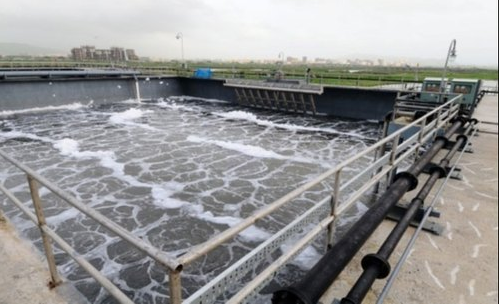
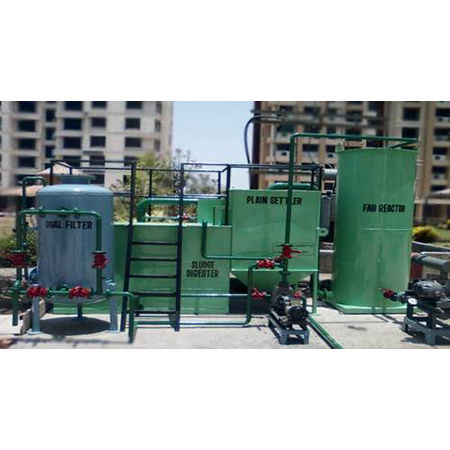
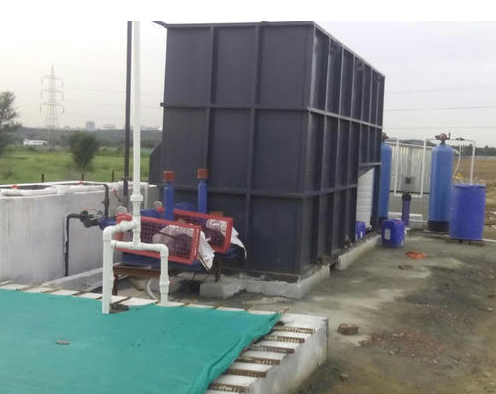
Sewage Treatment Plants Based on SBR Technology
200000.00 - 500000.00 INR/Unit
Product Details:
- Application Textile Industry,
- Material UPVC, PVC etc
- Membrane Size 8040, 4040
- Membrane Quantity 12 or 6
- Product Type Sewage Treatment Plants
- Technology SBR, MBR , MBBR
- Power Source Electrical
- Click to View more
X
Sewage Treatment Plants Based on SBR Technology Price And Quantity
- 200000.00 - 500000.00 INR/Unit
- 1 Unit
Sewage Treatment Plants Based on SBR Technology Product Specifications
- UPVC, PVC etc
- Textile Industry
- Sewage Treatment Plants
- Electrical
- 8040, 4040
- blue
- 12 or 6
- SBR, MBR , MBBR
- Automatic
- 1 year
Sewage Treatment Plants Based on SBR Technology Trade Information
- 1 Unit Per Month
- 1 Week
- Yes
- Contact us for information regarding our sample policy
- Wooden & as per requirement
- All India
- An ISO-9001-2015,14001-2015,18001-2007,MSME & NSIC Certified Company
Product Description
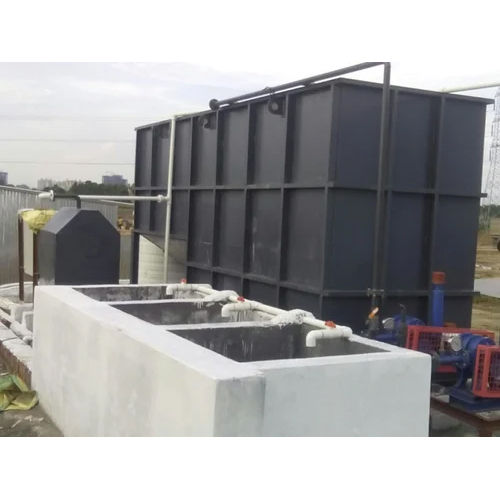
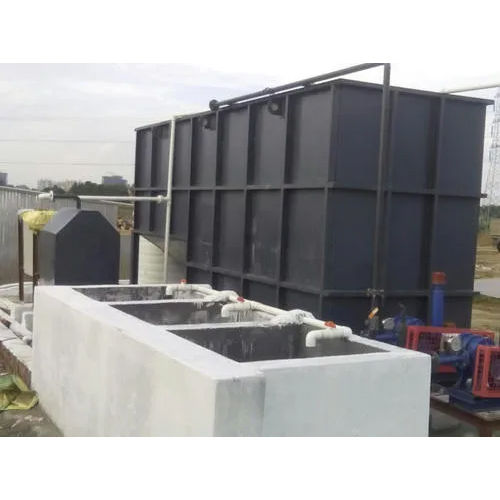
Sewage Treatment Plants Based on SBR Technology operates in 4 stages which include charging, aeration, rest phase, and clear water extraction. It is a completely automatic system which is greatly admired for assuring superior processing efficiency and high reliability. This plant also employs clarifiers, coagulants, & flocculants for effectively removing solid particles. It features a biological section in which organic matter is degraded by microorganisms. SBR Technology Based Sewage Treatment Plant is suitable for use in sugar, paper, dairy, & leather industries and distilleries as well. It works in three main stages of treatment which includes primary, secondary, & tertiary.
SBR Technology Based Sewage Treatment Plant Attributes :
- Operating principle of sequential batch reactor technology of this plant involves steps like biological and physio chemical treatments.
- Consists of inlet chamber for regulating volume of untreated influent
- This plant eliminates the necessity of using secondary clarifier or extra settling unit
- Available with centrifugal feed pumps, equipped with chlorine contact tank
Sewage Treatment Plants Based on SBR Technology Specifications:
- Voltage : 220 V
- Industry : Distillery, Slaughter House, Leather Industry, Paper Mills, Sugar Industry, Dairy Industry, Pharmaceutical Industry, Automobile, Chemical/Petroleum Industry
- Impurities to be removed : Oil and Grease, TDS, Dissolved Minerals, pH, Color, Turbidity
- Automation Grade : Semi-Automatic, Automatic
- Treatment Stages : Primary Treatment, Disinfection, Tertiary Treatment, Preliminary Treatment, Secondary Treatment
- Installation Type : Completes Civil work with Installation,Containerized Plug and Play, Prefabricated
- Secondary Treatment Type : Activated Sludge, Reverse Osmosis, Moving Bed Bioreactor (MBBR), Dissolved Air Floatation, Sequential Batch reactor ,Fluidized Aerated Reactor
- Material of Construction : Stainless Steel
Innovative Treatment Technology
Our treatment plants combine SBR, MBR, and MBBR technologies, ensuring advanced and effective wastewater purification ideal for the textile industry. This multi-technology approach maximizes contaminant removal and system versatility, supporting various operational needs and water quality requirements.
Robust and Reliable Construction
Manufactured using high-quality UPVC and PVC, these plants provide exceptional durability and resistance to harsh chemicals commonly present in industrial effluents. The robust build ensures long service life and consistent performance in demanding textile industry environments.
Flexible Membrane Configurations
Choose between 6 or 12 membranes with sizes of 8040 or 4040 to meet your specific treatment capacity and quality needs. Our systems are easy to scale and adapt, ensuring optimal performance regardless of project size. Electrical operation offers full automation for enhanced efficiency and safety.
FAQ's of Sewage Treatment Plants Based on SBR Technology:
Q: How does SBR technology function within your sewage treatment plants?
A: SBR (Sequencing Batch Reactor) technology operates by treating wastewater in discrete batches using fill, react, settle, and decant stages. This process efficiently treats textile industry effluents by promoting effective biological degradation and sedimentation within a single reactor, ensuring treated water meets stringent standards.Q: What are the main benefits of automatic operation in your sewage treatment plants?
A: Our fully automatic systems minimize human intervention, improve process consistency, and reduce operational errors. Automation ensures stable operations, consistent treatment quality, and lower maintenance requirements, all while enhancing safety and efficiency for industrial users.Q: When should the membranes be replaced in these sewage treatment plants?
A: Membrane replacement intervals depend on usage intensity and influent quality but typically occur every 2-5 years. Routine maintenance and system monitoring help maximize membrane lifespan. The 1-year warranty provides coverage against manufacturing defects for added assurance.Q: Where are these sewage treatment plants best applied?
A: These advanced plants are ideal for use within textile industry facilities, particularly where high volumes of wastewater with variable contaminant loads need reliable treatment. As an exporter and provider in India, we support installations nationwide and across various industrial sectors.Q: What is the process flow of sewage treatment using MBR and MBBR technologies?
A: MBR (Membrane Bioreactor) combines biological treatment with membrane filtration for excellent solids removal, while MBBR (Moving Bed Biofilm Reactor) uses biofilm carriers to enhance biodegradation. These technologies together ensure comprehensive pollutant removal and stable operation in industrial applications.Q: How do membrane size and quantity affect plant performance?
A: Membrane size (8040 or 4040) and quantity (6 or 12 membranes) are chosen based on required treatment capacities and effluent quality. Larger and more membranes increase throughput and improve filtration, supporting high-demand textile operations with varied wastewater volumes.Q: What are the advantages of using UPVC/PVC materials in your systems?
A: UPVC and PVC materials provide superior resistance to corrosive substances common in textile wastewater, ensuring plant longevity and reduced maintenance. These materials also offer smooth surfaces, limiting biofilm buildup and contributing to efficient and sanitary operations.Tell us about your requirement

Price:
Quantity
Select Unit
- 50
- 100
- 200
- 250
- 500
- 1000+
Additional detail
Mobile number
Email

Other Products in 'Sewage Treatment Plants' category

"We are mainly dealing our products in North India"
SHIVA GLOBAL ENVIRONMENTAL PRIVATE LIMITED
GST : 07AASCS9603C1Z5
GST : 07AASCS9603C1Z5
Contact Us

- G-42, Hydro Treat House, Dilshad Colony, Delhi - 110095, India
- Phone :08045816420

- Mr Shubham Divakar (Director)
- Mobile :08045816420
- Send Inquiry
 Send Inquiry
 Send Inquiry
 Send SMS
 Call Me Free
SHIVA GLOBAL ENVIRONMENTAL PVT. LTD.
All Rights Reserved.(Terms of Use)
Developed and Managed by Infocom Network Private Limited.
Developed and Managed by Infocom Network Private Limited.

