
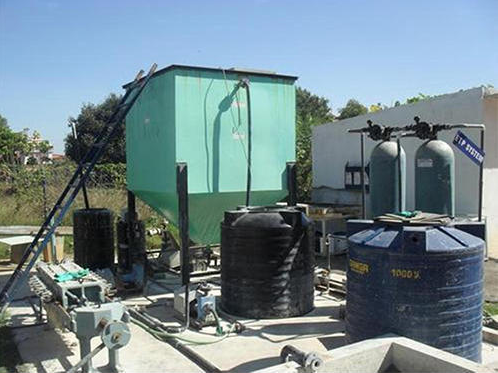
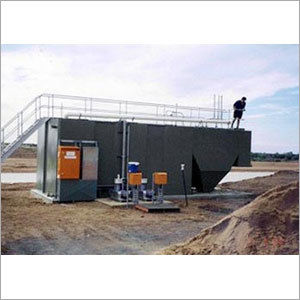
Institutional Sewage Treatment Plant
200000.00 - 500000.00 INR/Unit
Product Details:
- Membrane Size 8040, 4040
- Membrane Quantity 12-18
- Material UPVC, PVC & other
- Application any industry
- Product Type Sewage Treatment Plants
- Technology SBR, MBR, MBBR
- Power Source Electrical
- Click to View more
X
Institutional Sewage Treatment Plant Price And Quantity
- 1 Unit
- 200000.00 - 500000.00 INR/Unit
Institutional Sewage Treatment Plant Product Specifications
- Automatic
- SBR, MBR, MBBR
- any industry
- 8040, 4040
- 1 year
- 12-18
- Sewage Treatment Plants
- UPVC, PVC & other
- Sky Blue
- Electrical
Institutional Sewage Treatment Plant Trade Information
- Cash Against Delivery (CAD), Cash on Delivery (COD), Letter of Credit (L/C), Letter of Credit at Sight (Sight L/C), Telegraphic Transfer (T/T), Western Union, Paypal, Cash Advance (CA), Delivery Point (DP), Days after Acceptance (DA), Cash in Advance (CID), Cheque
- 1 Unit Per Month
- 1 Week
- Australia, North America, South America, Eastern Europe, Western Europe, Middle East, Africa, Central America, Asia
- All India
Product Description
We are manufacturer, exporter and supplier of high-quality Sewage treatment plant, Compact Sewage treatment plant, Portable Sewage treatment plant,Prefabricated Sewage treatment plant,Industrial sewage treatment plant from Delhi, India. This Plant is widely used in Hospital ,Hotels,Malls and manufacturing Industries.....
We are manufacturing and supplying Sewage treatment plant to various cities including Mumbai, Pune, Bangalore, Jaipur, Kanpur, Lucknow, Noida, Patna, Ranchi, Hyderabad, Imphal, Guwahati, Kolkatta, Assam, Itanagar, Gangtok, Jammu, Kashmir, Srinagar,West Bengal,Varanasi,Meerut,Ghaziabad,Jharkhand,Madhya Pradesh,Prayagraj,Kanpur,Gurgaon,faridabad,Bhiwani,Bhiwandi,Uttarakhand,
We are manufacturing and exporting Compact Sewage treatment plant, Portable Sewage treatment plant,Prefabricated Sewage treatment plant,Industrial sewage treatment plant to various countries including Tanzania, DR Congo, DPR Congo, Uganda, Kenya, Sri Lanka, Nepal, Bangladesh, Vietnam, Cambodia,UAE,South Africa ,Myanmar ,Dubai,etc.
Institutional Sewage Treatment Plant offered by us is made of superior quality fiber reinforced plastic and features mixed bed bio reactor, clarifier, & fluidized air reactor. It is completely reliable in nature and assures excellent processing efficiency. This plant is completely automatic in nature and is used for removing dissolved & suspended impurities from wastewater. It plays an important role in water conservation by reusing it for various industrial processes after treatment. Institutional Sewage Treatment Plant has capacity of 2 to 5000 m3 depending upon its size and configuration.
Institutional Sewage Treatment Plant Attributes:
- Useful for total elimination of turbidity, grease, oil, color and dissolved minerals present in waste water
- Less installation cost, occupies less ground space, simple maintenance process
- Industry specified standard and high output
- Available in different working power, net weight, capacity, diameter and installation power based options
- Product Type: Sewage Treatment Plant
- Minimum Order Quantity : 1 Unit
- Application : Wastewater reuse
- Treatment Technique : Mixed Bed Bio Reactor, Bio Tower, Clarifier, Fluidized Aerated Reactor
- Impurities to be removed : Oil and Grease
- Installation Type : Prefabricated, Containerized Plug and Play, Completes Civil work with Installation
- Treatment Stages : Primary Treatment, Secondary Treatment, Preliminary Treatment, Tertiary Treatment, Disinfection
- Secondary Treatment Type : Fluidized Aerated Reactor, Sequential Batch reactor, Dissolved Air Floatation, Moving Bed Bioreactor (MBBR), Activated Sludge, Reverse Osmosis
- Capacity : 2-5000m3 Capacity
- Material : Fiberglass reinforced plastic
Versatile Treatment Technologies
Our sewage treatment plant leverages SBR (Sequencing Batch Reactor), MBR (Membrane Bio-Reactor), and MBBR (Moving Bed Biofilm Reactor) technologies. These systems ensure effective treatment for different industrial effluents, consistently meeting regulatory standards. They are designed to handle diverse load capacities and complex contaminant profiles, making them ideal for institutional and industrial settings.
Robust Construction and Design
Crafted from UPVC, PVC, and other durable materials, this plant ensures long-lasting performance with minimal maintenance. The sky blue exterior is not only aesthetic but also resistant to environmental elements. With automatic operation and membrane quantities ranging from 12 to 18, the system offers both reliability and efficiency for continuous industrial use.
Comprehensive Service and Support
As a leading exporter, manufacturer, supplier, service provider, and trader in India, we offer end-to-end support, from installation to maintenance. Our team provides training and technical assistance, ensuring smooth plant operation and optimal performance throughout the warranty period and beyond.
FAQ's of Institutional Sewage Treatment Plant:
Q: How does the Institutional Sewage Treatment Plant operate automatically?
A: This plant employs advanced automation features, enabling it to run with minimal manual intervention. Programmable logic controllers manage each treatment stage, monitoring and adjusting processes to ensure optimal wastewater treatment efficiency.Q: What technologies are integrated into this sewage treatment plant and why?
A: The plant incorporates SBR, MBR, and MBBR technologies. These are chosen for their proven ability to effectively reduce organic and inorganic pollutants, providing flexibility and superior performance across varying industrial effluent types.Q: When is this sewage treatment plant suitable for industrial use?
A: The plant is suitable whenever consistent, high-quality sewage treatment is required for any industrial application, particularly where regulatory compliance and reliable operation are priorities.Q: Where can the plant be installed, and what is the ideal setting?
A: Designed for versatility, the plant can be installed at industrial estates, manufacturing complexes, institutions, or any site requiring efficient onsite wastewater treatment. Its construction enables both outdoor and indoor installations.Q: What is the process flow for treating sewage in this system?
A: The wastewater undergoes multiple stages: initial screening, biological treatment via SBR/MBR/MBBR, membrane filtration, and final disinfection. Each stage is optimized for maximum pollutant removal and water reuse potential.Q: How do the membrane sizes and quantities impact performance?
A: Membrane sizes 8040 and 4040, with 12-18 units per plant, ensure high surface area for filtration. This increases treatment capacity and improves the quality of effluent produced, making the plant suitable for large industrial loads.Q: What are the main benefits of choosing this UPVC/PVC sewage treatment plant?
A: Users benefit from reduced maintenance, automatic operation, durable materials, advanced treatment efficiency, and comprehensive support. The plant's technologies ensure compliance with environmental standards while minimizing operational costs.Tell us about your requirement

Price:
Quantity
Select Unit
- 50
- 100
- 200
- 250
- 500
- 1000+
Additional detail
Mobile number
Email

Other Products in 'Sewage Treatment Plants' category
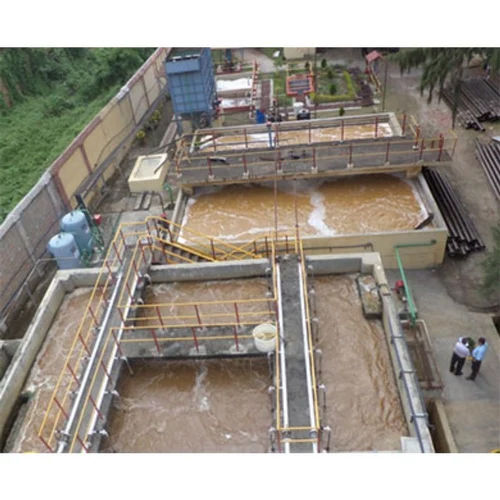
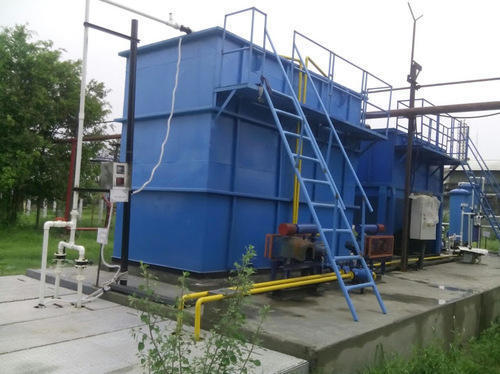
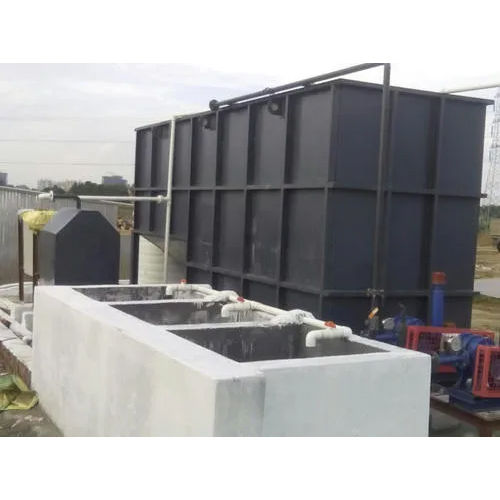

"We are mainly dealing our products in North India"
SHIVA GLOBAL ENVIRONMENTAL PRIVATE LIMITED
GST : 07AASCS9603C1Z5
GST : 07AASCS9603C1Z5
Contact Us

- G-42, Hydro Treat House, Dilshad Colony, Delhi - 110095, India
- Phone :08045816420

- Mr Shubham Divakar (Director)
- Mobile :08045816420
- Send Inquiry
 Send Inquiry
 Send Inquiry
 Send SMS
SHIVA GLOBAL ENVIRONMENTAL PVT. LTD.
All Rights Reserved.(Terms of Use)
Developed and Managed by Infocom Network Private Limited.
Developed and Managed by Infocom Network Private Limited.

